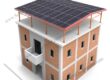

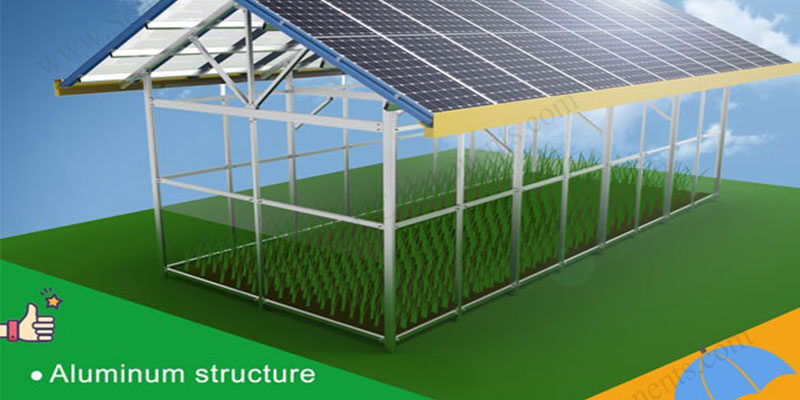
For architects and EPC contractors, the appeal of building-integrated photovoltaics (BIPV) is clear: turning the roof into a power generator while maintaining a clean aesthetic. However, the critical challenge has always been balancing energy production with absolute weather protection. Unlike traditional racking that sits on topof the roof, BIPV roof mounts are designed to function as part ofthe building envelope. This raises a pivotal question: how do these specialized mounting systems prevent leaks while supporting heavy glass-glass modules? The answer lies in a fundamental shift from “sealing holes” to “structural waterproofing” through integrated drainage channels and corrosion-resistant engineering.
The Engineering Shift: From Racking to Building Envelope
Traditional solar mounting relies on penetrating the roof membrane and sealing each penetration with gaskets or sealant—a method prone to degradation over time. BIPV mounting systems eliminate this risk by rethinking the roof’s geometry.
Integrated Drainage Design
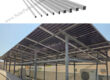
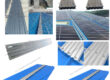
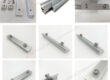
The core innovation is the use of W-shaped or M-shaped aluminum channels. Instead of simply holding panels, these channels serve a dual purpose: they act as structural rails for the modules and as integrated gutters. Rainwater is channeled away from the mounting points and directed off the roof, preventing pooling and potential ingress. This “drainage plane” approach is far more reliable than relying on the long-term elasticity of sealants.
Material Specifications for Longevity
Since BIPV systems are intended to last the 25+ year lifespan of the building, material selection is critical. High-grade aluminum alloy (AL6005-T5 or 6063-T5) is used for the main rails due to its strength-to-weight ratio and corrosion resistance. Fasteners are typically stainless steel (SUS304), which prevents galvanic corrosion when in contact with aluminum. For added durability in harsh environments, some systems incorporate zinc-aluminum-magnesium coated steel components, which offer superior resistance to rust compared to standard galvanized steel.
Structural Load Management
BIPV systems must handle both mechanical loads and environmental forces. These mounts are engineered to withstand wind speeds up to 60 m/s and significant snow loads (often 1.4 kN/m² or higher). The low-profile design reduces the wind uplift area, while the direct integration with the roof’s structural purlins or beams distributes the weight more evenly than point-loaded racking systems.
Key Advantages for Commercial & Industrial Projects
Choosing a dedicated BIPV mounting system over a traditional rack offers distinct benefits that directly impact the building’s performance and the project’s bottom line.
-
Elimination of Leak Risk: By removing the need for hundreds of roof penetrations, BIPV mounts eliminate the primary cause of post-installation leaks. This is a major advantage for warehouses, factories, and data centers where water damage can lead to catastrophic operational downtime.
-
Reduced Material and Labor Costs: BIPV systems often serve as the primary weatherproofing layer, eliminating the need for a separate roof membrane. This “two-in-one” function can reduce material costs. Additionally, the modular, pre-assembled nature of these systems speeds up installation, cutting labor time significantly.
-
Enhanced Aesthetics and Space Utilization: The seamless, low-profile look of an integrated BIPV roof is often a requirement for architecturally sensitive projects. It also maximizes the usable roof area, as there are no gaps for racking adjustments, allowing for a higher density of solar panels.
Where BIPV Roof Mounts Deliver Maximum Value
This technology is not a universal replacement for all solar projects; it excels in specific commercial scenarios.
-
New Construction Industrial Buildings: For new warehouses or factories, designing the roof with an integrated BIPV system from the start is the most cost-effective approach, combining the roof and power system into a single capital expenditure.
-
Roof Replacement Projects: When an old industrial roof reaches its end of life, replacing it with a BIPV system is a strategic upgrade that adds energy generation while solving the existing roof’s maintenance issues.
-
High-Wind and Coastal Areas: The robust, low-profile nature of BIPV mounts makes them ideal for regions prone to hurricanes or salty coastal air, where traditional racking may be vulnerable to uplift or corrosion.
Conclusion: Building Smarter with Integrated Mounts
The decision to use BIPV roof mounts is a move toward treating the solar array as a fundamental building component rather than an afterthought. By solving the waterproofing challenge through engineered drainage and selecting materials that match the building’s lifespan, these systems provide a reliable, high-yield solution for commercial solar integration. For project planners, this means not just generating clean energy, but also building a more resilient and durable asset.