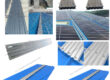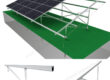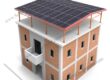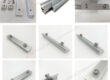

For residential and light-commercial metal roof solar installations, the biggest hesitation homeowners have is simple: “Will you have to penetrate my roof to mount the panels?”Penetrations mean flashing, sealant, and long-term leak risk—even with the best install practices. The Standing Seam Roof Clamp for Solar Panel Mounting — Aluminum Alloy Splice / Side Mount Clamp for Standing Seam Metal Roofs (No Roof Penetration) is engineered to eliminate that concern entirely. It grips the upright seam of a standing seam roof by mechanical bite pressure, providing a code-compliant, structurally tested anchorage point for L-feet, rail systems, or direct module bonding—without a single screw through the roofing panel or the need to break the roof warranty. But how does a clamp achieve certified holding power without penetrating the seam, and what should installers verify before specifying it on a project?
How Standing Seam Clamps Work: Mechanical Bite, Not Penetration
A standing seam roof has a continuous vertical seam (typically 1″–2″ wide) formed by folding two metal roof panels together during installation. A dedicated standing seam clamp:
-
Hooks Over or Straddles the Seam: The clamp body is shaped to match the seam profile (e.g., snap-lock, nail-strip, or batten seam).
-
Tightens via High-Torque Set Screw / Bolt: A stainless steel setscrew or two-piece bolt compresses the clamp halves onto the seam. The serrated or knurled interior face “bites” into the seam metal (typically Galvalume®, painted steel, or aluminum) creating a high-friction, high-retention grip.
-
Accepts L-Foot / Rail / Direct Bond: The clamp has a tapped hole (usually 5/16″ or M8) or integrated slot to accept the solar racking L-foot or rail connection.
Because no holes are drilled into the roof panel, the original weathertightness of the standing seam system is preserved—this is the #1 reason solar contractors prefer seam clamps over penetrated mounts on qualified metal roofs.
Why Aluminum Alloy + Stainless Setscrews Matter
The product page specifies premium aluminum alloyclamps. Here’s why that matters:
|
Component
|
Material
|
Why It’s Chosen
|
|---|---|---|
|
Clamp Body / Jaw
|
AL6005-T5 or AL6061-T6 Aluminum Alloy
|
High strength-to-weight, anodized for corrosion resistance (Class II or III anodizing), compatible with most rail systems
|
|
Setscrew / Bolt
|
SUS304 Stainless Steel
|
Corrosion-resistant; prevents galvanic corrosion when contacting steel/aluminum seam; holds torque over thermal cycles
|
|
Anodized Finish
|
Clear or black anodized (15–25 µm typical)
|
UV-stested, salt-spray resistant (ASTM B117 1,000 hr+), maintains appearance on visible rooflines
|
Using aluminum keeps the clamp lightweight (easy one-hand install) and avoids adding unnecessary point-load weight to the seam. The stainless setscrew ensures the clamp won’t loosen from thermal expansion/contraction cycles common on metal roofs.
Key Install Advantages for Solar Contractors
1. Zero Roof Penetration = No Flashing, No Sealant, No Leak Risk
This is the headline benefit. You do not cut, drill, or puncture the roof panel. The clamp is entirely external to the water-shedding plane of the roof.
2. Faster Installation vs. L-bift + Lag Bolt
Snap clamp over seam → insert setscrew → torque to spec → attach L-foot. Many crews can install 2–3× faster per attachment point compared to measuring, drilling, flashing, and sealing a penetrated mount.
3. Compatible with Framed & Frameless Modules (via Racking)
The clamp itself attaches to the racking, not directly to the panel. It works with any framed module (standard 30–50 mm frame) or frameless (via mid/end clamps on the rail) as long as the rail system is compatible.
4. Seam-Profile Specific Fit
Quality clamps are seam-profile-matched (e.g., 1.5″ snap-lock, 2″ nail-strip, asymmetrical European seam). Ordering the correct profile ensures full surface contact and avoids crushing or deforming the seam.
Critical Checks Before You Buy / Install
|
Check
|
Why It Matters
|
|---|---|
|
Seam Type & Width
|
Measure the standing seam width and profile; order matching clamp model
|
|
Roof Panel Thickness / Gauge
|
Setscrew bite depth must be appropriate; over-tightening can deform thin-gauge seams
|
|
Clamp Load Rating
|
Verify uplift/downforce rating per clamp from manufacturer’s test report (usually 1.0–2.5 kN per clamp depending on seam and torque)
|
|
Required Clamps per Module
|
Typically 2 clamps/module (mid-clamp) + 2 end clamps/row; adjust per wind zone & rail span
|
|
Torque Spec
|
Follow manufacturer’s recommended inch-lbs / N·m — over-torquing damages seam, under-torquing risks slippage
|
|
Bonding Path
|
Some clamps are listed for panel-to-roof grounding via the rail; confirm if your system requires an additional grounding lug
|
Typical Application Scope
-
Residential Standing Seam Metal Roofs: Asphalt shingle replacement homes with metal roofing — very common in North America.
-
Agricultural / Barn Solar: Metal-roofed outbuildings where preserving roof integrity is essential.
-
Commercial Retrofit: Warehouses or light-industrial buildings with standing seam roofs — avoids roof warranty disputes.
-
Off-Grid Cabins / Tiny Homes: Small-array installs where simplicity and leak avoidance are top priorities.
Sourcing Tips for B2B Buyers & Installers
When requesting a quote for Standing Seam Roof Clamp for Solar Panel Mounting:
-
✅ Provide seam profile drawing or photo + seam width (e.g., 1.75″ snap-lock).
-
✅ Specify finish (clear anodized / black anodized) and quantity per seam type.
-
✅ Ask for load test report / ICC-ES listing (if required by AHJ).
-
✅ Confirm setscrew type (hex socket vs. hex head) and inclusion of stainless hardware.
-
✅ Inquire about mixed-order discounts if combining with rail, L-foot, or mid/end clamps from same supplier.
Conclusion: Grip the Seam, Not the Roof Deck
The Standing Seam Roof Clamp for Solar Panel Mounting — Aluminum Alloy Seam Grip Clamp (No Roof Penetration) is the gold-standard attachment method for PV arrays on standing seam metal roofs. It preserves the roof’s watertight integrity, installs faster than penetrated mounts, and—when specified with the correct seam profile and torqued to spec—delivers code-compliant holding power backed by structural test data. For solar installers, it removes the biggest homeowner objection (“Will you drill my roof?”), and for the homeowner, it delivers peace of mind that the array is secure withoutcompromising the roof warranty.