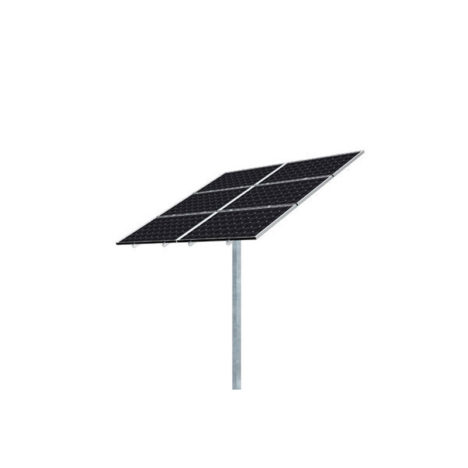

Does a square-section steel pole with hot-dip galvanized coating really outperform round tubes in torsional stiffness while supporting solar lights and cameras under 45 m/s wind loads

In distributed solar applications such as street lighting, surveillance poles, communication relay stations, and small off-grid PV systems, the mounting pole is often treated as a commodity item — yet its cross-sectional shape, coating durability, and bracket topology directly determine whether the system survives gusty winds or fails at the base weld after a few…

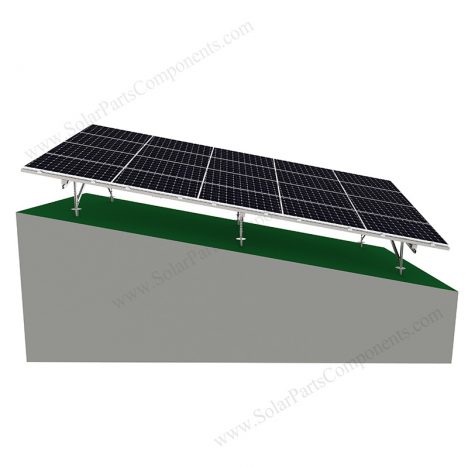
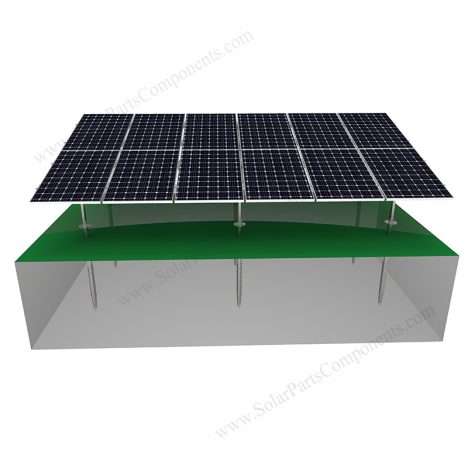
Can a double-column carbon steel ground structure shaped like the letter N really stabilize large-scale solar arrays on uneven terrain while resisting 60 m/s winds with less than 1.4 KN/M2 snow pressure

In utility-scale photovoltaic projects, the ground mounting system often becomes the hidden bottleneck of both CAPEX and OPEX. Single-pole systems may save steel on flat, uniform soil but struggle on slopes or high-wind corridors; concrete-ballasted systems add dead load and complicate drainage; lightweight aluminum spans cost more and may flex excessively under heavy bifacial modules.…

Is a Pitched Metal Roof Solar Mounting System with Integrated Seam Clamps Really Code-Compliant Without Roof Penetration?

On pitched residential or light-commercial metal roofs (standing seam or corrugated profile), solar installers face a familiar dilemma: penetrate the roof to anchor the racking and risk voiding the roof warranty, or use an aftermarket clamp system that may not be structurally certified for local wind loads. The Solar Panel Roof Mounting Systems for Pitched…

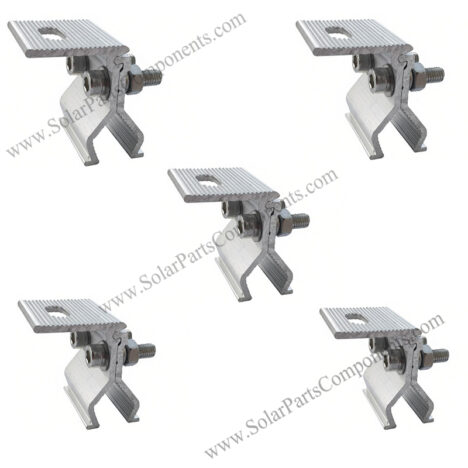
Does a Standing Seam Roof Clamp Really Let You Mount Solar Panels Without Drilling a Single Hole in the Roof?

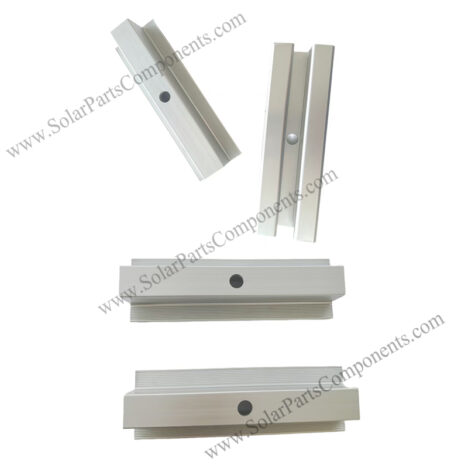
For residential and light-commercial metal roof solar installations, the biggest hesitation homeowners have is simple: “Will you have to penetrate my roof to mount the panels?”Penetrations mean flashing, sealant, and long-term leak risk—even with the best install practices. The Standing Seam Roof Clamp for Solar Panel Mounting — Aluminum Alloy Splice / Side Mount Clamp…

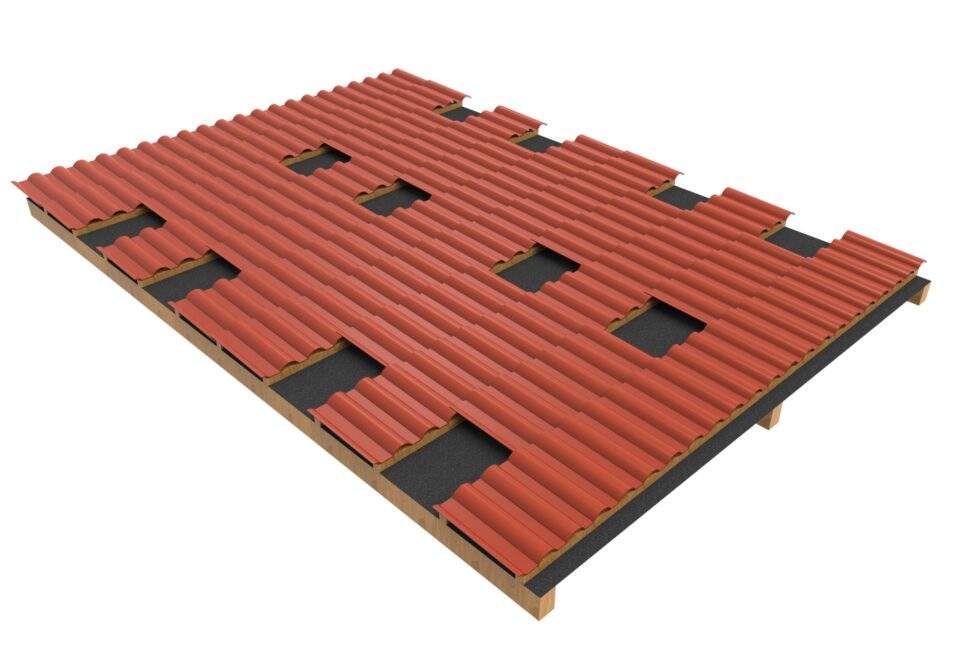
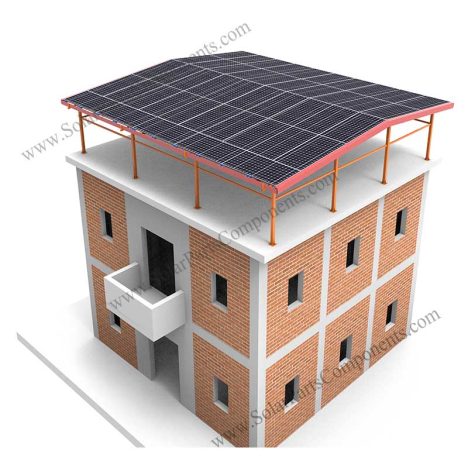
How BIPV Roof Mounts Solve Waterproofing and Structural Challenges in Commercial Solar

For architects and EPC contractors, the appeal of building-integrated photovoltaics (BIPV) is clear: turning the roof into a power generator while maintaining a clean aesthetic. However, the critical challenge has always been balancing energy production with absolute weather protection. Unlike traditional racking that sits on topof the roof, BIPV roof mounts​ are designed to function…

Galvanized Steel Fencing: The Overlooked Guardian of Solar Farm Long-Term ROI

When planning a ground-mounted solar farm, the focus is often on panel efficiency and racking durability. However, one component that is frequently underestimated—yet critical to the project’s 25-year lifespan—is the perimeter security fence. A standard chain-link fence might suffice for basic deterrence, but for solar assets exposed to livestock, wildlife, and harsh agricultural environments, a…

Asphalt Shingle Solar Mounting: How Side-Mounted Brackets Solve Installation Risks and Boost ROI

For residential solar installers and homeowners, asphalt shingle roofs represent one of the most common—yet delicate—installation environments. The primary challenge isn’t just holding the panels in place; it’s doing so without compromising the roof’s waterproofing integrity or requiring invasive structural modifications. The SPC-RF-IK14-DR asphalt shingle mounting system​ addresses this directly. By utilizing a side-mounted bracket…