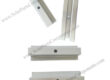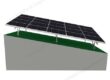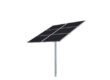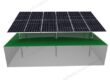

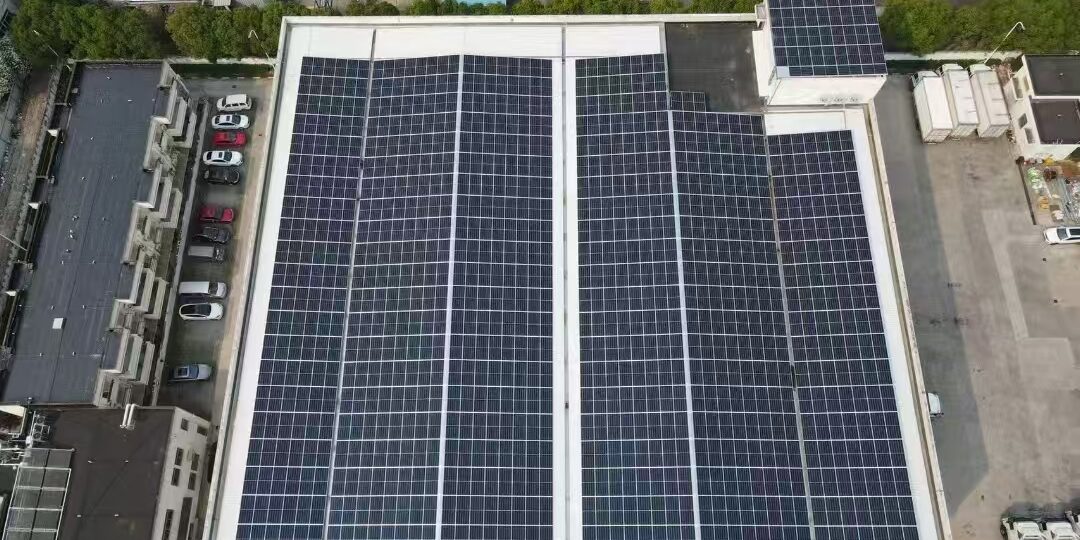
As global demand for renewable energy continues to rise, large-scale solar farms are becoming one of the fastest-growing segments in the photovoltaic industry. For utility-scale projects, the performance and durability of the ground mount solar mounting system directly determine the overall stability and lifespan of the power plant.
Designing a reliable ground mounted solar racking system is not just about steel structures — it requires engineering precision, environmental analysis, and long-term cost optimization.
Understanding Large-Scale Solar Farm Requirements
Utility-scale solar farms typically involve:
-
High installed capacity (MW-level projects)
-
Large land coverage
-
Complex soil conditions
-
Strong wind exposure
-
25+ years operational lifespan
Because of these factors, ground mount solar structures must be designed for structural strength, corrosion resistance, and installation efficiency.
Step 1: Site Assessment and Soil Analysis
Before designing the mounting system, a detailed site evaluation is required:
-
Soil type (sand, clay, rocky terrain)
-
Bearing capacity
-
Groundwater level
-
Seismic conditions
-
Wind load zone
The choice between pile-driven, screw pile, or concrete foundation systems depends heavily on soil conditions. Skipping proper soil analysis can lead to serious structural problems later.
Step 2: Choosing the Right Ground Mount Structure Type
Common ground mount solar mounting systems include:
▸ Pile-Driven Mounting Systems
-
Fast installation
-
Cost-effective for large-scale solar farms
-
Suitable for soft to medium soil
▸ Screw Pile Systems
-
Flexible and removable
-
Ideal for environmentally sensitive areas
▸ Concrete Foundation Systems
-
Strong stability
-
Suitable for rocky or low-bearing soil
Each system has different cost and performance characteristics. There is no universal solution — project conditions decide everything.
Step 3: Material Selection – Aluminum vs Galvanized Steel
For utility-scale projects, hot-dip galvanized steel solar mounting systems are commonly preferred due to:
-
High structural strength
-
Long-span capability
-
Cost efficiency for bulk projects
Aluminum ground mount systems are used in certain environments but steel remains dominant in large solar farms.
Material selection must balance structural safety, corrosion resistance, and budget.
Step 4: Wind Load and Structural Calculation
Wind uplift force is one of the most critical design factors in ground mount solar projects.
Engineers must calculate:
-
Maximum wind speed
-
Panel tilt angle
-
Row spacing
-
Structural stress distribution
A professional solar mounting system manufacturer should provide structural calculations and design optimization to ensure compliance with international standards.
Step 5: Installation Efficiency and Scalability
In large-scale solar farms, installation speed directly affects ROI.
A well-designed ground mount solar mounting system should:
-
Allow modular assembly
-
Reduce on-site welding
-
Minimize installation labor
-
Ensure consistent component compatibility
This is where experienced manufacturers stand out.
Why Work with a Professional Ground Mount Solar Manufacturer
An experienced China ground mount solar mounting system manufacturer and supplier can offer:
-
Customized structural design
-
Hot-dip galvanized steel production capability
-
Bulk manufacturing support
-
Complete mounting accessories
-
Engineering documentation
Utility-scale projects require not only products but also technical reliability.
Conclusion
Designing ground mount solar mounting systems for large-scale solar farms requires site evaluation, structural engineering, material optimization, and installation planning.
Working with a reliable solar mounting system supplier ensures your solar farm is built for strength, efficiency, and long-term performance.